Nutrition Notes: Portion Reset After Holiday Treats (Without Crash Dieting)
Holiday treats sneak in so easily, especially when we’re eating and our pets are sitting there like they haven’t been fed in a decade. I get it. They’re cute, they’re convincing, and it starts with “just a bite” and turns into a new routine before we even realize it.
This post is a gentle reset for dogs and cats, no crash dieting, no guilt, just a practical plan that helps you get back to accurate portions, make smarter choices with treats, and protect your pet’s long-term health. Because extra weight doesn’t just “sit there.” It affects joints, stamina, comfort, and it can increase risk for medical issues over time.
Post Date:
Time to Read:
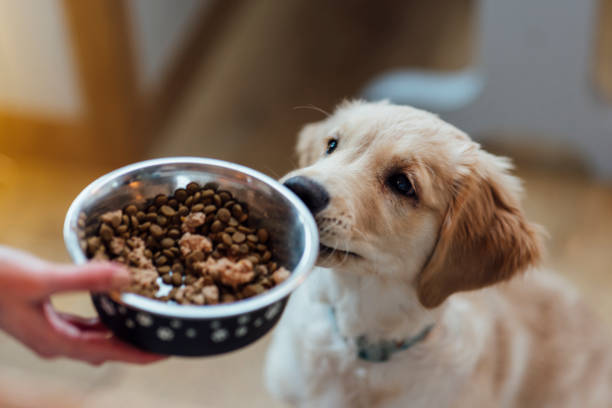
The 60-Second Portion Reset
If you do nothing else today, do these five things:
- Measure your pet’s food with an actual measuring device (or a scale, if you have one).
- Read the feeding directions on the bag/can and check whether it’s per day or per meal.
- Check the calories per cup (dry food) or calories per can/pouch (wet food).
- Add treats into the daily total (yes, treats count too).
- If your pet is still gaining weight even with strict portions, plan a vet check instead of cutting harder.
That’s it. Small steps, big difference.
Why the Holiday Feeding Habits Stick
The holidays are a perfect storm for overfeeding:
- We’re home more, so pets are around us more.
- Our routines shift.
- We snack, cook, and share more.
- Family members visit, and everyone wants to “spoil” the pets.
And honestly, pets are really good at training humans. If begging gets rewarded even a few times, it becomes a habit fast. The problem isn’t that you love your pet. The problem is that love can look like food when we don’t have a plan.
Weight Gain Isn’t Just a “Looks” Thing
I always want to say this gently but clearly: extra weight can cause real medical stress for dogs and cats.
For both dogs and cats, obesity can:
- Increase stress and wear on joints
- Make arthritis discomfort worse
- Reduce stamina and energy
- Put added strain on the heart and lungs
- Increase risk for other health issues over time
In dogs especially, extra weight can make joint and mobility problems show up earlier, and feel more intense. In cats, even “a little chubby” can quietly set the stage for serious problems later, including diabetes risk.
Measuring Matters More Than People Think
“About a cup” is one of the most common reasons pets get overfed, and it’s not because owners are careless. It’s because eyeballing portions is wildly inconsistent and inaccurate.
Use one of these:
- Measuring cup (better than guessing)
- Kitchen scale (best for accuracy and consistency)
A scale is especially helpful because:
- Kibble size varies.
- Scoops vary.
- Some foods are dense, some are light.
- One person’s “cup” isn’t the same as another person’s “cup.”
If multiple people are responsible for feed your pet, having a small calendar when meals can be marked off can help stop accidental double-feedings in an easy way.
Calorie Check for Pet Food Labels Without Getting Tricked
Most people look at the feeding chart and stop there. The chart is a starting point, not a perfect answer, and the calorie info is what actually matters.
Here’s what to check every time:
1) Calories per cup / can / pouch
- Dry foods usually list kcal per cup
- Wet foods list kcal per can/pouch
2) Is the feeding amount “per day” or “per meal”?
Some labels are clear, some are not. If the chart says something like “Feed X amount daily,” that means per day. If you feed two meals, you split it.
3) Calorie amounts can change between flavors
This one surprises a lot of people: different flavors of the same brand can have different calorie counts. So if you switch from chicken to salmon in the same line, don’t assume it’s the same. Always re-check.
4) Re-check when you change foods
Even if you stay within the same brand, a new formula = new calories. That means new portion math.
Treat Math (Yes, It Counts)
Treats are usually where the “mystery calories” live.
A treat here, a bite there, a lick of peanut butter, a few pieces of cheese… it adds up fast. And when pets are smaller, it adds up even faster.
Simple ways to keep treats without overfeeding:
- Use a “daily treat budget” (measure it out once, that’s what you get for the day)
- Swap to lower-cal treats
- Use part of your pet’s regular kibble as “treats” for training
- Break treats into smaller pieces (pets don’t care, they just want the reward)
The goal isn’t to remove joy. The goal is to stop the accidental calorie creep.
“Light” Variety Diets Can Help (When Weight Gain Starts)
For pets starting to trend upward, some families do well with a light/weight management formula, or a thoughtfully chosen combination plan. This is especially true when:
- the pet seems hungry all the time,
- owners are struggling to cut portions without feeling guilty,
- or treats are hard to reduce due to training, multiple pet households, etc.
A carefully chosen diet can help with satiety and make portioning feel less miserable for everyone.
That said, nutrition can get complicated quickly, and what works for one pet may not be right for another, especially if there are medical conditions in the mix. If you’re unsure, your vet is the safest guide.
When Portion Control Isn’t Working: Time for a Vet Check
This part matters: if your pet is consistently gaining weight despite being strict, don’t just keep cutting and cutting without checking in with your vet.
Some medical conditions can cause unexpected weight changes or make weight management harder.
Examples:
- Dogs: hypothyroid disease can contribute to weight gain and low energy
- Cats: early diabetes and other metabolic issues can cause weight changes (including weight loss or sometimes odd shifts that don’t match intake)
Your vet can help:
- assess body condition score,
- rule out underlying causes,
- and recommend the safest plan going forward.
For Severe Obesity: Prescription Diets + a Veterinary Plan Are the Safest Route
When a pet is significantly overweight, rapid changes or aggressive restriction can backfire. Pets need a safe, structured plan.
If your pet is severely overweight, prescription diets and a plan made with your veterinarian are often the safest and most effective way to go. They’re designed for controlled weight loss while still meeting nutritional needs, and your vet can help pace the changes appropriately.
Bottom Line
A portion reset doesn’t have to feel dramatic. The best approach is usually the simplest one: measure accurately, know your calorie numbers, count treats, and adjust in a way that keeps your pet comfortable and healthy.
If you want help making a realistic plan for your specific pet, check in with your veterinarian. Sometimes one quick conversation saves you weeks of guessing.
Medical Disclaimer
This article is for general educational purposes only and is not a substitute for veterinary diagnosis, treatment, or individualized medical advice. Feeding needs vary based on age, breed, body condition, activity level, and underlying health conditions. If your pet is gaining or losing weight unexpectedly, has changes in appetite, energy, drinking/urination, vomiting/diarrhea, or you’re unsure what diet plan is safest, please contact your veterinarian for guidance.
 Notes From Triage
Leave a comment